(+65) 6745 1147
 enquiry@azdigital.net
 3015A Ubi Road 1 #05-04 Singapore 408705
Blog
Brown Nasi Lemak | From a Successful IT Career to Hawker: How a Self-Ordering System Streamlined Daily Operations | Mediacorp Entertainment

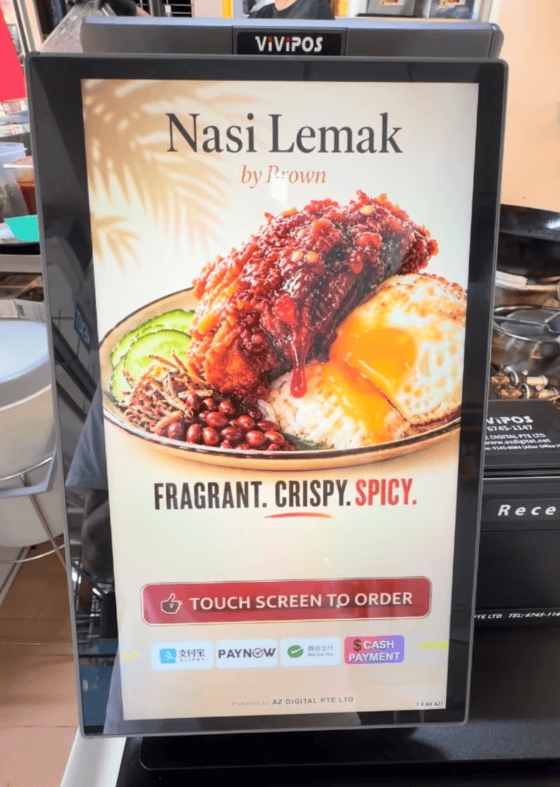
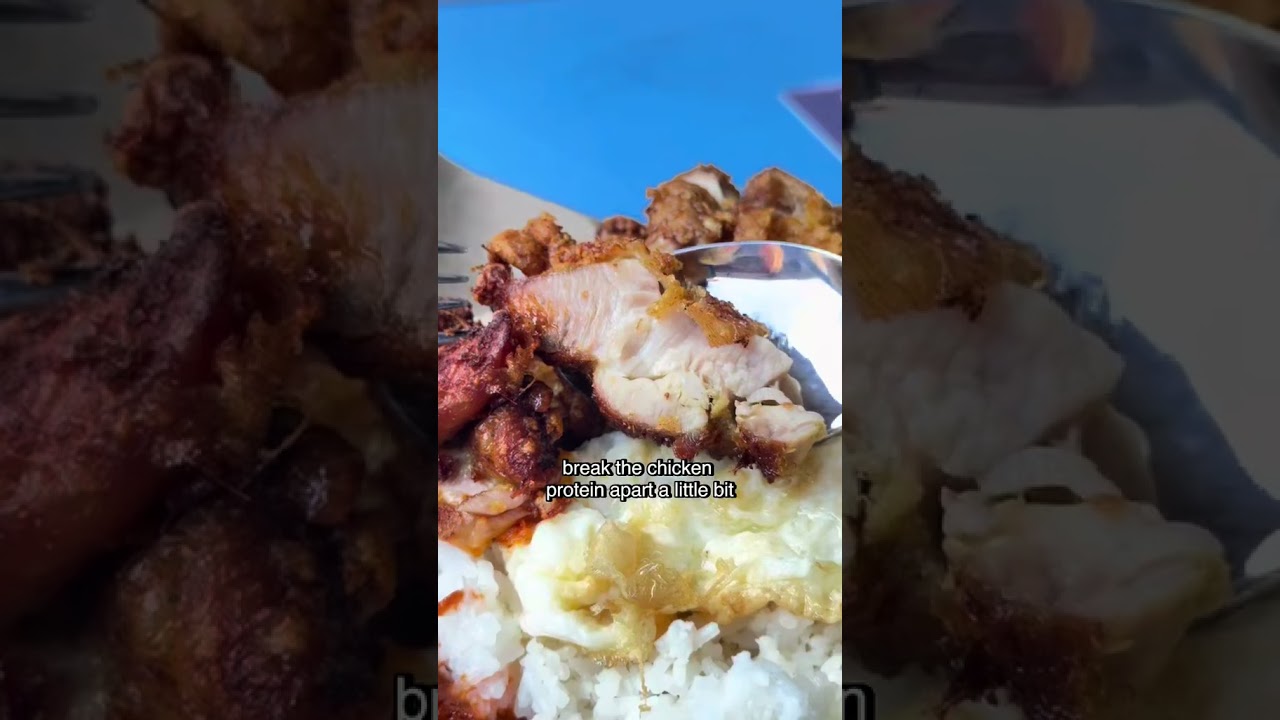
Melvin left a successful career in cybersecurity to pursue his passion for serving authentic nasi lemak at Brown in Golden Mile Food Centre. His signature dish features crispy lemongrass-marinated fried chicken, fragrant coconut rice, and a bold, spicy sambal.
As his business grew, we worked closely with him to develop a self-ordering system tailored to his streamlined menu and workflow, helping him serve customers more efficiently while delivering a faster, smoother ordering experience. Watch to find out what keeps customers coming back for more.
Stories like Melvin’s show that success in the hawker industry is no longer just about serving great food. Today’s hawkers face rising operating costs, labour shortages, increasing customer expectations, and intense competition. To survive and thrive, they need to combine traditional recipes with modern technology that simplifies daily operations.
A point-of-sale (POS) system has become an essential tool for hawker businesses of every size. More than just a cash register, a modern POS system helps stall owners track sales, monitor best-selling items, manage orders accurately, and generate valuable business insights. Instead of relying on manual calculations or handwritten records, hawkers can make informed decisions based on real-time data, allowing them to focus on what they do best—serving quality food.
Self-ordering kiosks are equally important, especially for stalls that experience long queues during peak meal hours. Customers can browse the menu, customise their orders, and complete payment independently without feeling rushed. This reduces ordering errors, shortens waiting times, and allows staff to concentrate on food preparation rather than handling every transaction manually. For stalls with a focused menu like Brown Nasi Lemak, a kiosk creates an even smoother and faster ordering process while improving the overall customer experience.
Cashless payments have also become an expectation rather than a convenience. Whether customers prefer PayNow, credit and debit cards, mobile wallets, or contactless payments, offering multiple payment options helps businesses serve more customers efficiently. Cashless transactions reduce the need to handle cash, minimise calculation mistakes, improve hygiene, and speed up service during busy periods. For younger consumers and office workers, the ability to pay digitally is often a deciding factor when choosing where to eat.
Digitalisation is not about replacing the personal touch that makes hawker culture so special. Instead, it removes repetitive tasks that consume valuable time throughout the day. With technology handling ordering, payments, reporting, and sales tracking, hawkers can dedicate more attention to food quality, customer service, and growing their business.
For aspiring entrepreneurs like Melvin, starting a hawker business is already a significant commitment. Every minute saved during operations translates into better productivity, happier customers, and greater profitability. Having the right technology in place from the beginning creates a strong foundation that supports future growth without adding unnecessary complexity.
At our company, we believe every food business deserves solutions designed around the way they operate. Rather than offering a one-size-fits-all approach, we work closely with each customer to understand their menu, workflow, and service style before recommending the most suitable POS and self-ordering solution. This ensures the technology complements daily operations instead of disrupting them.
Singapore’s hawker culture continues to evolve, and embracing digital tools is becoming an important part of that journey. Technology cannot replace great food or genuine hospitality, but it can make both easier to deliver consistently. By adopting modern POS systems, self-ordering kiosks, and cashless payments, hawkers are not simply keeping up with changing consumer expectations—they are building resilient businesses that are better equipped to adapt, compete, and grow for years to come.
Melvin’s journey from cybersecurity professional to successful hawker demonstrates that passion and perseverance remain at the heart of every great food business. Supported by the right digital solutions, hawkers can spend less time managing transactions and more time creating memorable dining experiences that keep customers coming back for more.