(+65) 6745 1147
 enquiry@azdigital.net
 3015A Ubi Road 1 #05-04 Singapore 408705
Blog
How to Choose the Best Mobile POS System 2026

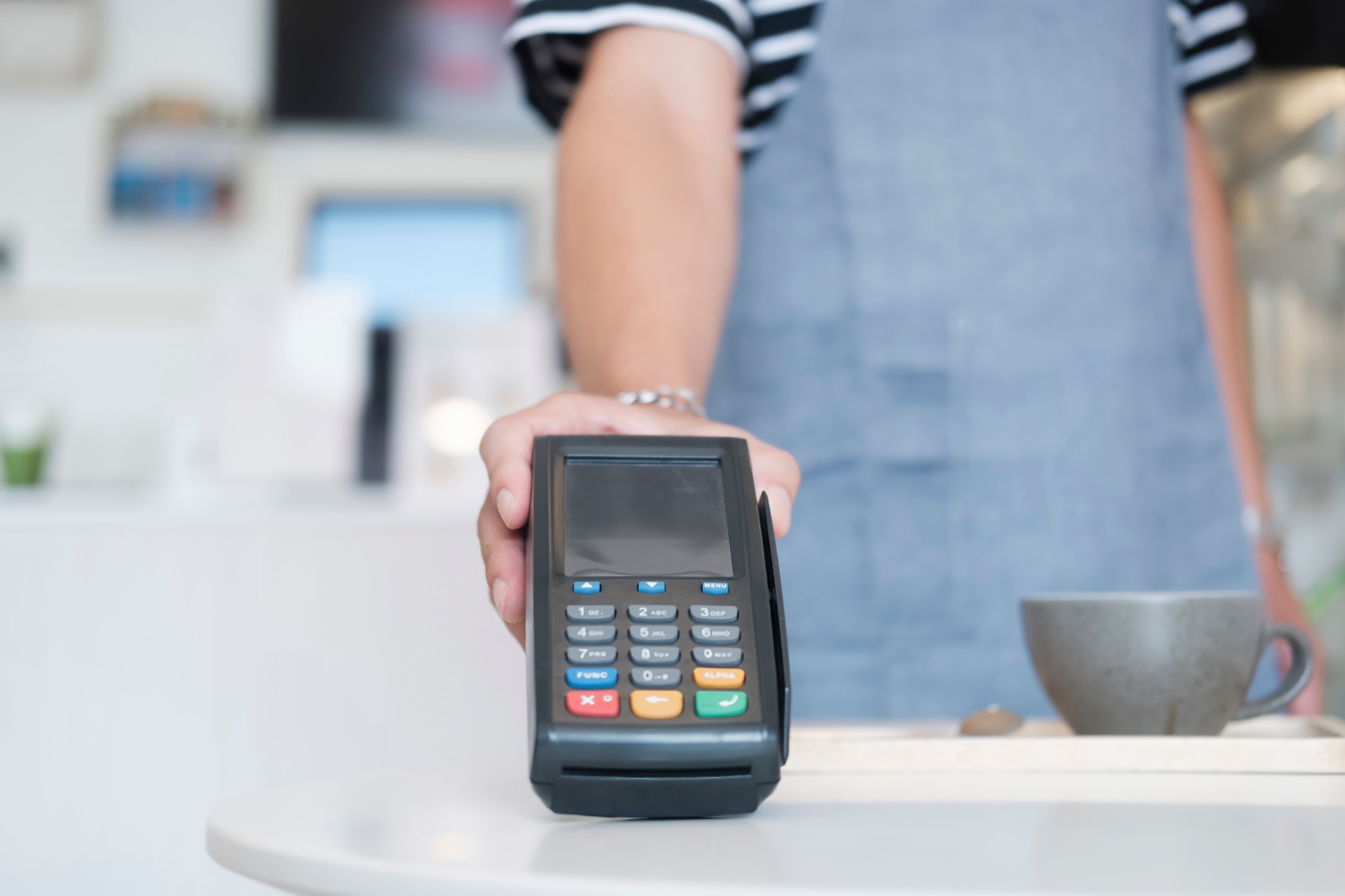
When it comes to making payments, cash is no longer king. Cashless transactions in the form of cards, digital wallets, and QR’s are the preferred method in most places around the world. In Singapore, more than 90% of consumers choose digital payment methods over physical cash.
While swiping your way through purchases is more convenient, did you know choosing the right mobile POS system is just as important as the right payment method? Here’s everything you need to know:
What Is a Mobile POS System?
A mobile POS system, or mobile point-of-sale system, is a portable payment solution that allows businesses to accept transactions with smartphones and tablets. Unlike traditional POS terminals that are fixed in one spot, a mobile POS system is small enough to carry around.
A typical system combines POS software,and payment processing capabilities in one setup. It can usually accept different payment methods, including credit and debit cards, QR code payments, and digital wallets.
But a mobile POS system can do more than just accept payments. By giving you access to sales data, modern systems can also help businesses manage sales tracking in one platform. This can make daily operations much easier especially for small businesses.
Contact us to find out more about POS systems in Singapore!
How Do Mobile POS Systems Work?
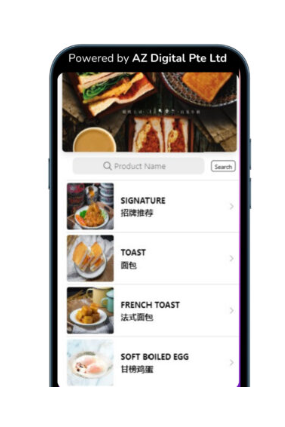
Instead of relying solely on a fixed payment terminal, the system connects POS software with a portable device to process transactions. When the customer is ready to make payment, the customer can then choose their preferred method to make payment.
Once the payment is completed, the transaction is processed through the payment provider. The system then records the transaction so businesses can keep track of the sales history.
This entire process can be completed from almost anywhere as long as there is stable internet connection.
Where Are Mobile POS Systems Commonly Used?
These POS systems can be used in almost any business that needs to accept payments on the go. However, they are particularly common in businesses where customers and employees are constantly moving around.
- Restaurants and Cafes: Instead of making customers walk to the counter and pay, staff can bring the ordering directly to the customer. This can make the ordering process faster and more convenient.
- Retail Stores: Mobile POS systems can allow staff to accept payments anywhere inside the store. This can be especially useful during busy periods when customers would otherwise have to wait in long queues.
- Events and Pop-Up Stores: Businesses operating at events, markets, exhibitions, and pop-up stores may not have access to a permanent checkout counter. A portable POS system allows them to accept cashless payments wherever they set up.
- Delivery and Service Businesses: Businesses that provide services at a customer’s location can also benefit from mobile POS systems. Payments can be processed immediately after the service instead of requiring customers to pay later.
- Small Businesses: Mobile POS systems are also a practical option for small businesses that want to accept cashless payments without setting up a large and expensive POS system.
Why Are Businesses Switching to Mobile POS Systems?
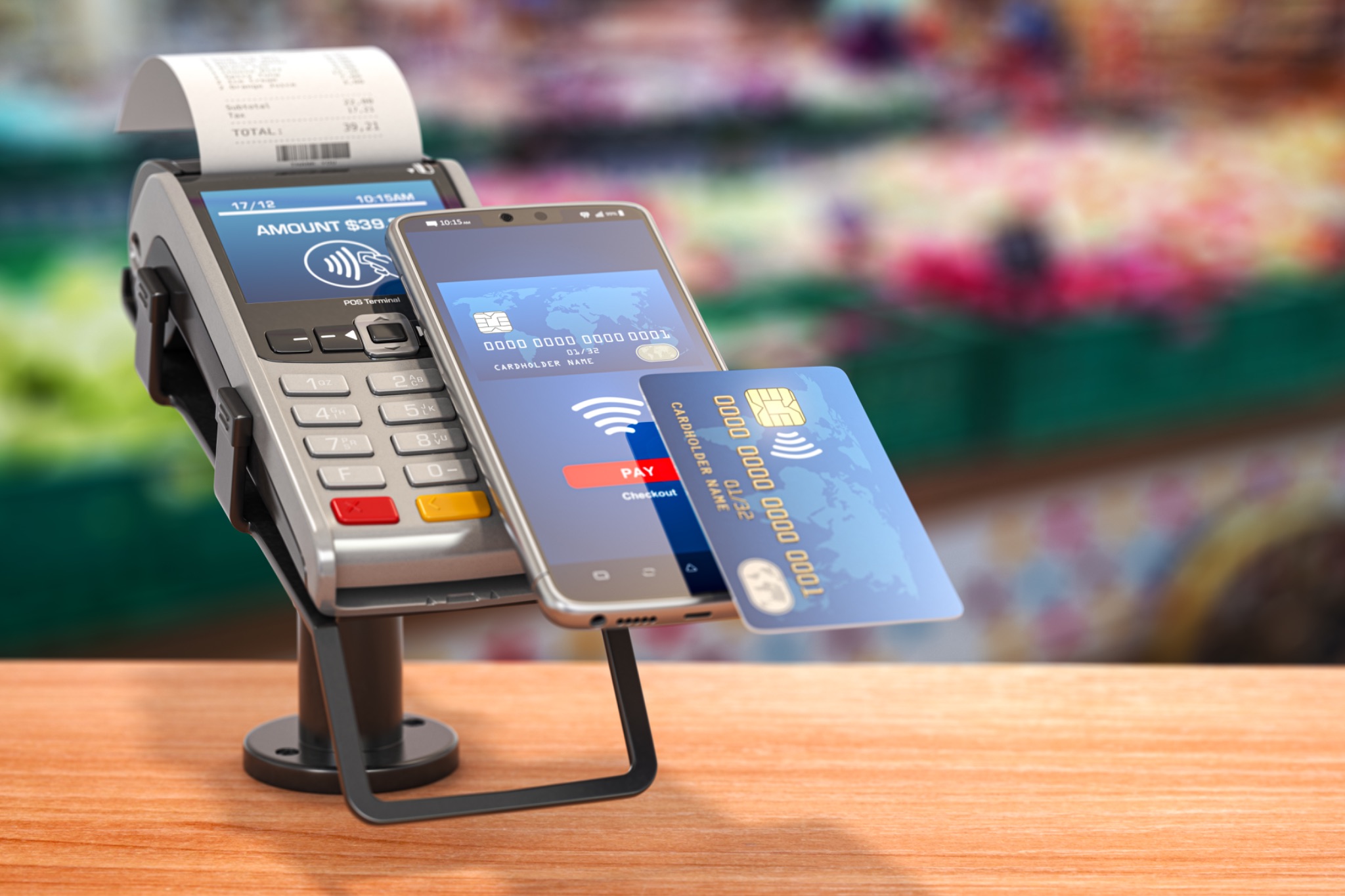
- Flexibility: Traditional POS systems are usually installed at a fixed location, meaning customers have to come to the terminal to make payment. With a mobile POS system, businesses are not confined to one location for transactions.
This makes it much more convenient and flexible for customers and even businesses. For example, restaurants can accept payments directly at the table instead of having customers queue at the counter.
- Faster Transactions: A mobile POS system can help speed up the checkout process by allowing businesses to accept different payment methods from a single device. Customers can simply tap their card, scan a QR code, or use their digital wallet to make payment.
The faster the payment process, the more customers you can serve in less time. This can make a noticeable difference for small businesses with limited staff too.
- Sales Tracking: Many modern systems also come with sales tracking features. Instead of manually recording every transaction, business owners can view their sales data through the POS software.
They may also be able to monitor product sales, transaction history, and daily revenue. This makes it much easier for business owners to understand how their business is performing.
- Lower Upfront Costs: Traditional POS systems require more investments for hardware, installation, and maintenance. Mobile POS systems are generally more compact and flexible.
This makes it more practical for businesses that want to offer cashless payments without investing in a large setup.
- Customer Experience: At the end of the day, payment is part of the overall customer experience. A slow or complicated checkout process can leave customers frustrated, even if they enjoyed everything else about their purchase.
A mobile POS system gives businesses more ways to make payments quick and convenient. Customers can pay using the method they are already familiar with, while businesses can complete transactions wherever they are.
What Should You Look for in a Mobile POS System?
- Payment Methods
The first thing to look at is the payment methods supported by the POS system. Does it accept credit cards and debit cards? What about QR payments and digital wallets? The more payment options you can offer, the easier it will be for your customers to pay.However, you should also consider whether the payment methods are commonly used by your target customers.
- Ease of Use
A POS system should make your business operations easier, not more complicated. Look for a system with a simple and intuitive interface that your employees can learn quickly.This is particularly important if you have multiple staff members using the system throughout the day. A complicated POS system can slow down transactions and create unnecessary problems during busy periods.
- Sales Management Features
Payment processing is only one part of running a business. A good mobile POS system should also give you useful tools for managing your sales.Features such as sales tracking, transaction history, reporting, and inventory management can help you keep your business organised. Having all this in one platform can also reduce the need for multiple systems.
- Security
Security should always be a top priority especially with the increased risk of hacking. Having the appropriate security measures in place can help protect transactions made and sensitive information.Look for a provider that follows recognised payment security standards and regularly updates its software and hardware.
- Customer Support
Even the best POS system can experience technical issues from time to time. When something goes wrong, having access to reliable customer support can make all the difference.Before choosing a provider, check what type of support is available and when you can contact them.
The Bottom Line
A mobile POS system is a convenient alternative to traditional POS’s. These systems make it much easier for both customers and businesses to make payment, speeding up the transaction process.
Just remember to choose the right POS system for your business to make sure it has the features you need. Ultimately, this will not only make payments easier but also help you manage your daily operations.
Looking for POS systems in Singapore? Visit azdigital.sg to find out more!