(+65) 6745 1147
 enquiry@azdigital.net
 3015A Ubi Road 1 #05-04 Singapore 408705

Blog
How Singapore Restaurants Are Using Self-Ordering Kiosks

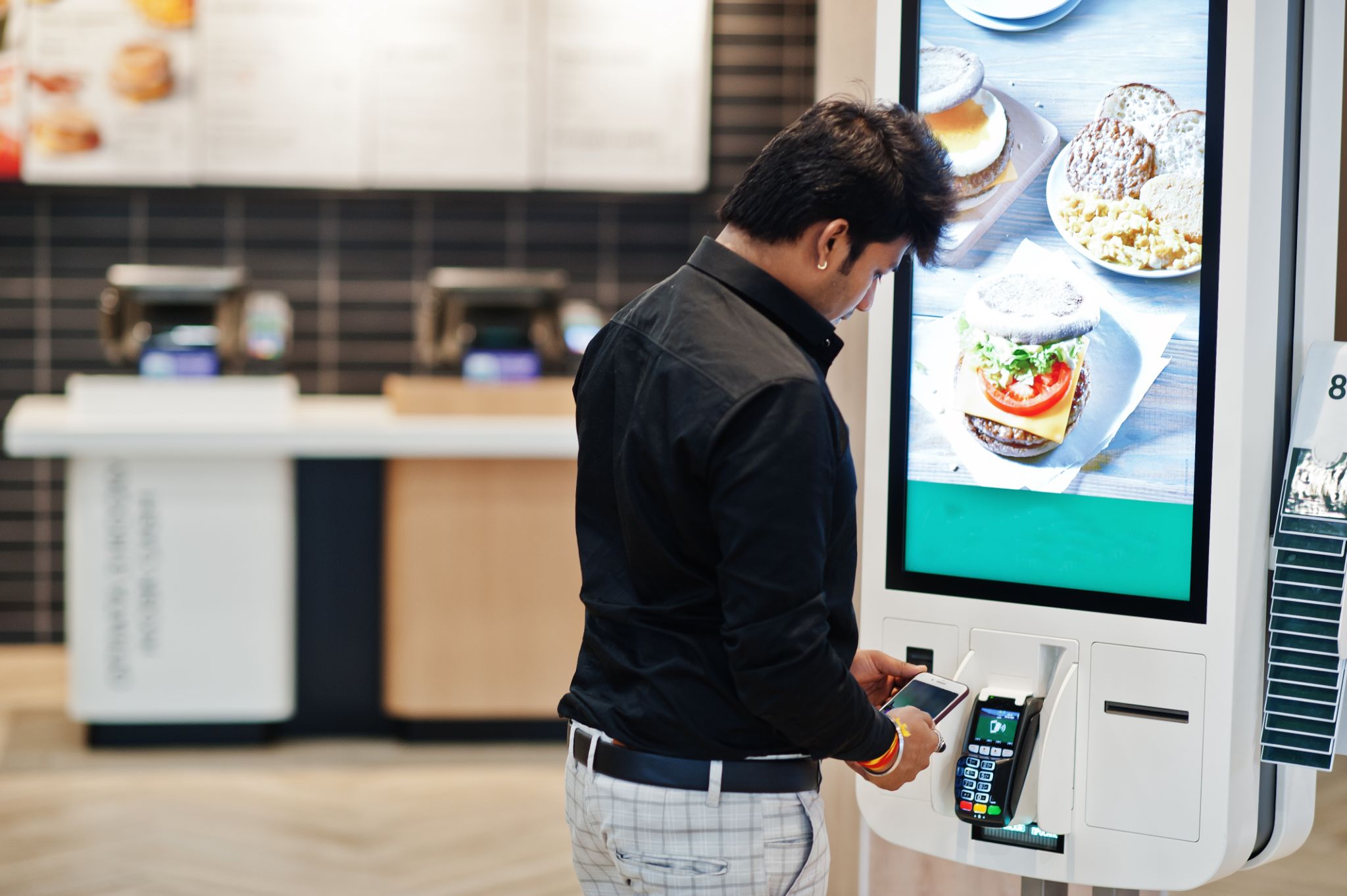
Long queues, order-taking errors, and rising labour costs are ongoing challenges for F&B businesses in Singapore. Self-ordering kiosks offer a way to streamline ordering, reduce pressure on staff, and give customers more control over their purchases.
By automating routine tasks, these systems can help restaurants manage busy periods and improve operational efficiency. Understanding how self-ordering kiosks work and how restaurants use them can help business owners assess whether the technology suits their needs.
Improve your restaurant’s ordering process with a self-ordering kiosk that connects customer orders and POS transactions. Choose ViViPOS (Powered by AZ Digital) to support your restaurant’s ordering needs.
What is a Self-Ordering Kiosk?
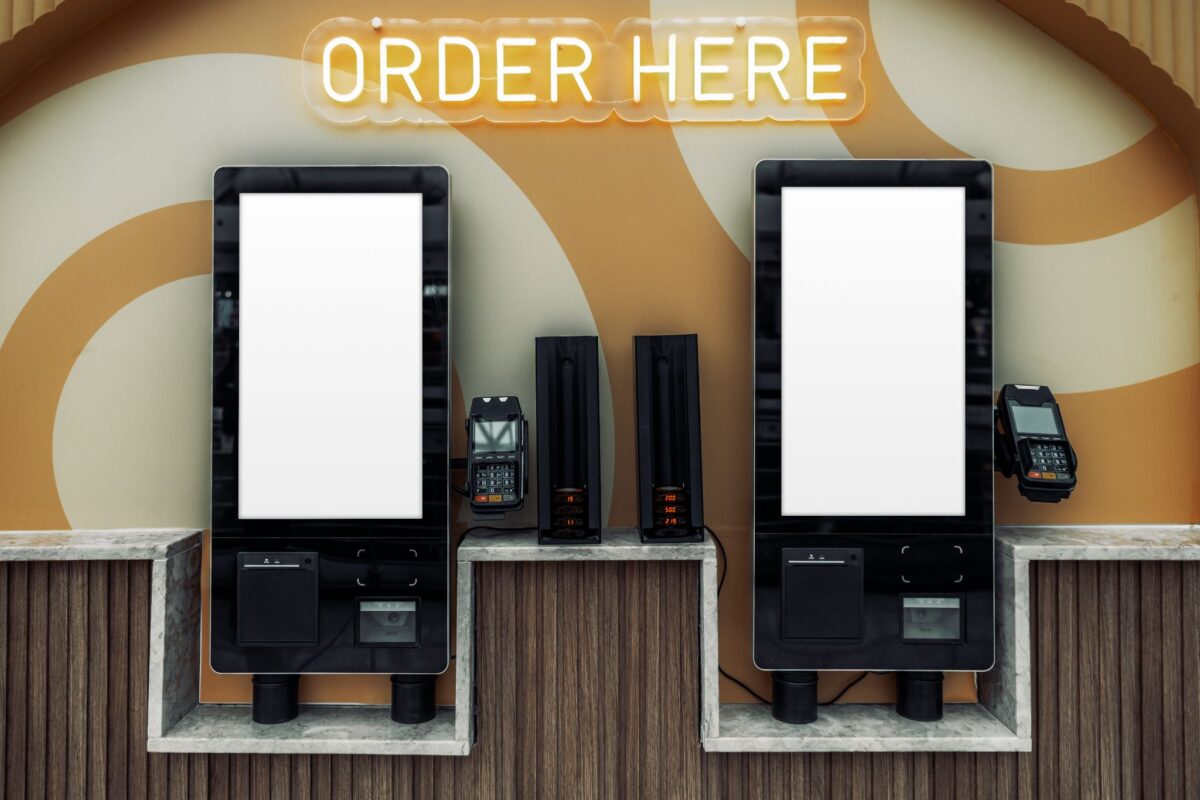
A self-ordering kiosk is a touchscreen system that allows customers to browse menus, select food and beverages, customise their orders, and make payments without going through a cashier.
Depending on the setup, orders can be sent directly to the restaurant’s point-of-sale (POS) system and kitchen for processing. This reduces manual order entry and connects the ordering process with daily operations.

Traditional Cashier Ordering vs Self-Ordering Kiosks
Traditional ordering requires customers to queue at a counter and rely on staff to take their orders and process payments. Self-ordering kiosks let customers complete these steps independently.
The differences include:
- Order Taking: Customers enter their own selections instead of relying on a cashier
- Staff Allocation: Employees can redirect their efforts from taking orders to preparing meals and managing order collection.
- Order Customisation: Customers can select available add-ons and modifications directly on screen
- Payments: Depending on the system, customers can pay at the kiosk using supported payment methods
Self-ordering kiosks don’t replace the need for staff. Instead, they automate routine tasks so employees can focus on other aspects of restaurant operations.
Why Self-Ordering Kiosks Are Becoming More Common in Restaurants
Restaurants handle fluctuating customer volumes, particularly during lunch and dinner rushes. Self-ordering kiosks can help manage demand by allowing customers to place orders independently, reducing reliance on cashiers.
They also offer a consistent way to display menus, prices, and available add-ons. When integrated with a POS system, kiosks can help keep order information organised and reduce manual data entry.
These features make kiosks worth considering for quick-service restaurants, fast-casual outlets, and other F&B businesses with high order volumes.
How Singapore Restaurants Are Using Self-Ordering Kiosks
Self-ordering kiosks can support several parts of the ordering process, from menu selection to payment. Their effectiveness depends on the restaurant’s service model and how well the system integrates with existing operations.
Streamlining the Ordering Process
Customers can use self-ordering kiosks to browse menus, select items, and confirm their purchases without waiting for staff to take their orders.
When connected to the restaurant’s POS system, order details can be transferred automatically for processing. This reduces manual entry and helps staff focus on preparing and fulfilling orders.
Managing Queues and Reducing Waiting Times
During peak periods, a single cashier can become a bottleneck. Self-ordering kiosks provide additional ordering points, allowing more customers to place orders independently.
For example, a restaurant in a shopping mall can use kiosks alongside staffed counters to distribute customer demand and reduce congestion.
However, shorter ordering times don’t necessarily mean faster service overall. Restaurants should also consider kitchen capacity and order fulfilment to avoid shifting the bottleneck elsewhere.
Improving Order Accuracy and Customisation
Manual order taking can lead to errors, particularly during busy periods. Self-ordering kiosks let customers enter their own selections and review them before submitting an order.
Restaurants can also display available options, such as:
- Meal upgrades and side dishes
- Drink sizes and toppings
- Available ingredient modifications
These selections can be passed to the kitchen through the connected ordering system, helping reduce miscommunication. Clear menu descriptions and accurate system settings are essential to making this process work well.
(Source: envato.com)
Supporting Faster and More Convenient Payments
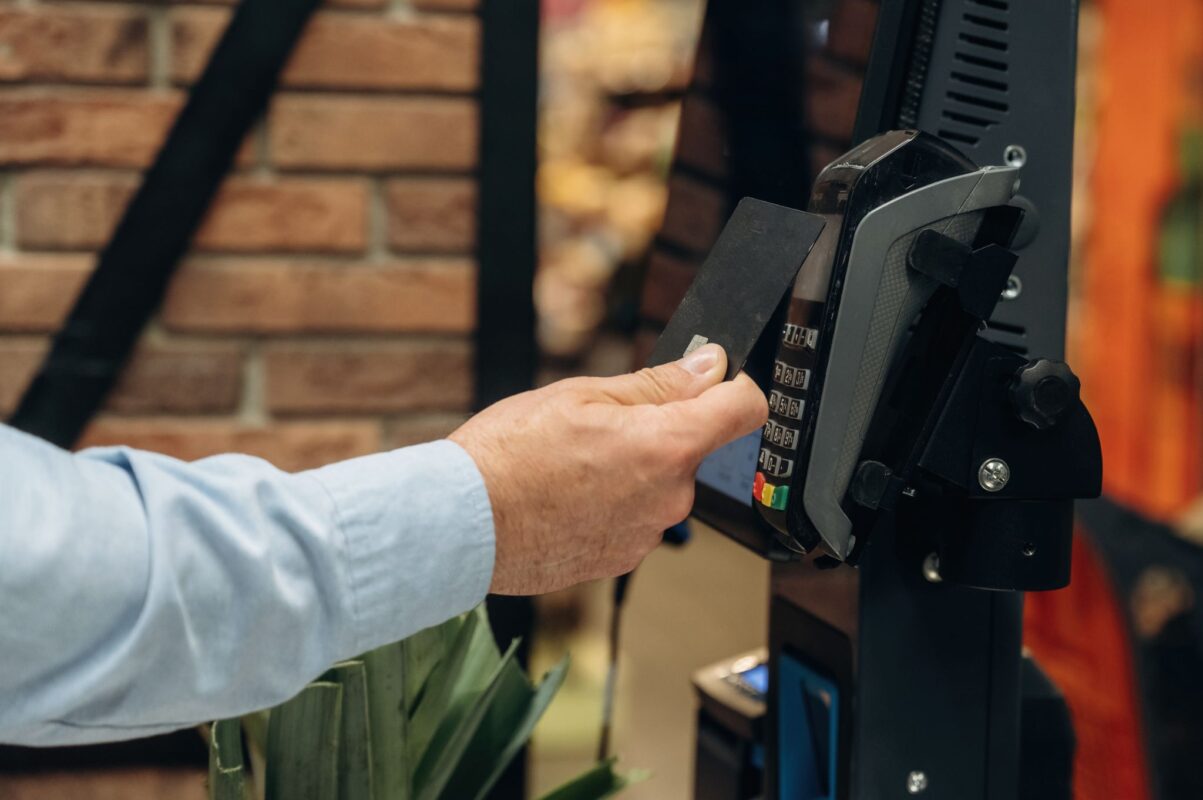
Self-ordering kiosks can combine ordering and payment in one process, reducing the need for customers to queue separately at the cashier.
Depending on the system, supported payment methods may include credit or debit cards and digital wallets. Digital payment integration can also help consolidate order and transaction records.
Before deciding, restaurant owners should check its payment options, transaction fees, and compatibility with their existing systems.
Supporting Customers with Multilingual Menus
Restaurants in Singapore serve customers from different language backgrounds, making menu accessibility an important consideration.
With self-ordering kiosks that support multiple languages, restaurants can let customers browse menu items, review descriptions and place orders in their preferred language, depending on the system’s capabilities.
This allows restaurants to serve a wider range of customers while making the ordering process easier to navigate. Customers can explore their options and confirm their selections on screen without relying on staff to explain each menu item.
Why Are Restaurants in Singapore Adopting Self-Ordering Kiosks?
Beyond making ordering more convenient, self-ordering kiosks can help F&B businesses improve staff allocation, manage operating costs, and encourage additional purchases.
Reducing Pressure on Restaurant Staff
Taking orders and processing payments can occupy a significant amount of staff time during busy periods. By automating these tasks, kiosks allow employees to focus on:
- Preparing and fulfilling orders
- Managing collections
- Assisting customers who need help
This can help restaurants distribute workloads more effectively, although staff are still needed to maintain service and resolve issues.
Managing Labour Costs and Operational Expenses
Self-ordering kiosks can help restaurants make better use of their existing workforce by reducing the time spent on routine transactions. Depending on customer volume and staffing needs, employees may be reassigned to other operational tasks.
However, kiosks also involve costs such as equipment, software subscriptions, integration, and maintenance. Business owners should compare these expenses against potential productivity gains before investing.
Increasing Sales Through Upselling and Add-On Suggestions
Self-ordering kiosks can display relevant recommendations during the ordering process, encouraging customers to consider additional purchases.
For example, a kiosk might suggest:
- Upgrading a meal to include a drink and side dish
- Adding a dessert or extra topping
- Choosing a larger drink size
These prompts can help increase average order value without requiring staff to make every recommendation manually. Restaurants should keep suggestions relevant and monitor sales data to identify which offers perform best.
(Source: envato.com)
How Can Restaurants Get a Self-Ordering Kiosk in Singapore?
Before investing in a self-ordering kiosk, consider how it will fit into your restaurant’s workflow.
- POS integration: Choose a system that connects with your existing point-of-sale (POS) system, allowing orders and payments to flow into your restaurant’s operations.
- Payment methods: Check whether the kiosk supports the payment options your customers use, such as bank cards, contactless payments and digital wallets.
- Menu management: Look for a system that lets your team update prices, change menu items and manage availability without having to update multiple systems manually.
- Kitchen integration: Make sure orders can reach your kitchen display system or printer so staff can prepare meals based on the details submitted.
- Technical support: Find out what training, maintenance and troubleshooting support the provider offers.
Other than these features, consider the kiosk’s size, placement and ease of use. It should fit your outlet’s layout and allow customers to place orders without obstructing queues or walkways.
For restaurants seeking a solution that combines self-ordering kiosks with POS integration, ViViPOS (Powered by AZ Digital) offers both as part of its kiosk solutions. This allows restaurant operators to explore a setup that brings customer ordering and transaction management together, depending on the system configuration.
Conclusion: Improving Restaurant Operations with Self-Ordering Kiosks
Self-ordering kiosks help Singapore restaurants manage orders and payments while giving staff more time to focus on service. For restaurants looking to streamline these processes, ViViPOS (Powered by AZ Digital) offers self-ordering kiosks with POS integration, bringing ordering and transaction management into one solution.
Improve your restaurant’s ordering process with a self-ordering kiosk that connects customer orders and POS transactions. Choose ViViPOS (Powered by AZ Digital) to support your restaurant’s ordering needs.